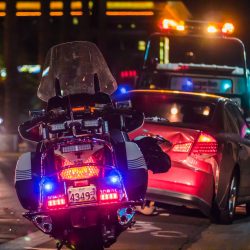
Tampa T-bone accidents are dangerous because a side-impact crash can send force directly into the passenger compartment with less structural protection than the front or rear of a vehicle. These crashes often happen at intersections, four-way stops, parking lot exits, and left-turn areas. Victims may suffer head trauma, spinal injuries, fractures, internal injuries, or delayed whiplash symptoms. Fault often depends on right-of-way violations, traffic signals, and evidence. Tampa Car Accident Layer can help explain primary causes, injuries, liability, and recovery options.
Main Takeaways
- T-bone accidents happen when one vehicle strikes another’s side, often at Tampa intersections, four-way stops, or parking lot exits.
- Side-impact crashes are dangerous because vehicle doors provide less protection than front or rear structures.
- Common injuries include concussions, whiplash, spinal damage, fractures, internal organ trauma, and delayed pain.
- Tampa T-bone crashes often result from red-light running, failure to yield, unsafe turns, speeding, distraction, or poor visibility.
- Fault is proven through traffic cameras, police reports, witness statements, skid marks, debris patterns, and vehicle damage.
What Is a Tampa T-Bone Accident?
When one vehicle strikes the side of another, the crash is commonly called a T-bone accident because the vehicles form a “T” shape at impact. In Tampa, these collisions often occur where traffic paths cross, including signalized intersections, four-way stops, uncontrolled crossings, parking lot exits, and roadway entrances.
Intersection types can influence visibility, right-of-way expectations, and the sequence of events leading to impact.
Common collision angles include direct perpendicular impacts and angled side strikes, depending on lane position, turning movements, or evasive actions.
Investigators often review fault evidence such as traffic camera footage, skid marks, vehicle resting positions, debris patterns, witness statements, and police reports.
Driver negligence may involve running a red light, failing to yield, speeding, distracted driving, or making an unsafe turn.
Vehicle design factors, including door structure, seating position, and side restraints, also help explain side impact dynamics without assigning blame before a full investigation.
Why Are Tampa T-Bone Crashes So Dangerous?
T-bone crashes in Tampa are especially dangerous because the sides of most vehicles offer far less protection than the front or rear.
When another vehicle strikes a door area, occupants can absorb a sudden, concentrated force with little structural buffer.
This impact pattern can lead to severe injuries, including head trauma, spinal damage, fractures, and internal injuries.
Limited Side Protection
Because the side of a vehicle offers far less structure to absorb impact than the front or rear, a Tampa T-bone accident can cause severe harm even at moderate speeds. Unlike the front end, which includes a crumple zone, the side has only doors, pillars, glass, and limited spacing between the striking vehicle and occupants. This reduced buffer affects occupant protection, especially when a larger vehicle hits a smaller one.
| Side Feature | Protection Role | Limitation |
|---|---|---|
| Door panel | Separates impact | Thin structure |
| B-pillar | Supports cabin | Can deform |
| Side airbag | Cushions contact | Not universal |
| Window glass | Visibility | Little resistance |
Those assisting injured people should understand that limited side protection often makes fault, vehicle design, and impact angle important in evaluating what happened.
Severe Injury Risks
Limited side protection helps explain why the injuries from a Tampa T-bone crash can be so severe. The struck occupant may absorb force directly through the door, ribs, pelvis, shoulder, or head, raising the risk of fractures, internal bleeding, spinal trauma, traumatic brain injury, and soft-tissue damage.
Even lower-speed impacts can cause whiplash symptoms, dizziness, numbness, or delayed pain that worsens after adrenaline fades. Prompt evaluation protects health and creates medical documentation that connects symptoms to the collision.
For caregivers, advocates, and families, tracking appointments, imaging, medications, and work limitations helps clarify the injury timeline. This record can also support an insurance claim by showing how the crash affected mobility, independence, and daily service to others, especially when recovery requires ongoing treatment or assistance.
Where Do T-Bone Accidents Happen in Tampa?
T-bone accidents in Tampa often occur where vehicles cross paths with limited time or space to react.
Common locations include busy intersections, parking lots, and highway ramp crossings where confusion, speeding, or failure to yield can lead to severe side-impact crashes.
Understanding these high-risk areas can help explain how these collisions happen and why victims may suffer serious injuries.
Busy Tampa Intersections
Where do many Tampa T-bone accidents occur? They often happen at busy intersections where turning vehicles, cross traffic, pedestrians, and cyclists converge. Distracted driving can cause a driver to miss a red light or fail to yield, while traffic light timing may leave little room for safe decisions during congestion.
| Intersection factor | Risk created | Community concern |
|---|---|---|
| Heavy rush-hour flow | More conflict points | Faster emergency response needed |
| Left-turn lanes | Misjudged gaps | Serious side impacts |
| Limited visibility | Late hazard detection | Pedestrian protection |
| Signal changes | Red-light violations | Safer road design |
Tampa corridors near business districts, schools, and commuter routes demand caution. Understanding these patterns helps caregivers, advocates, and public servants support prevention, accountability, and safer travel for vulnerable road users.
Parking Lot Collisions
Although parking lots may seem slower and safer than major roads, many Tampa T-bone accidents occur when drivers cut across aisles, back out of spaces, or fail to yield near store entrances and internal intersections. These crashes can injure pedestrians, shoppers, delivery workers, and families moving between vehicles.
- Drivers should expect cross-traffic at every aisle, especially near large retailers, schools, medical offices, and church parking areas.
- Visibility is often blocked by SUVs, vans, landscaping, carts, or poorly angled spaces.
- Rear End Dynamics may contribute when a following driver reacts late as another vehicle stops for crossing traffic.
- Defensive Driving Tips include slowing below posted limits, scanning both directions, avoiding diagonal shortcuts, and yielding patiently.
Careful habits protect neighbors and support safer service-minded communities.
Highway Ramp Crossings
Beyond parking lots, highway ramp crossings in Tampa create another setting where side-impact crashes can occur, especially where exit ramps, frontage roads, and signalized intersections converge.
Drivers leaving I-275, I-4, the Selmon Expressway, or Veterans Expressway may encounter sudden stops, short merge areas, and vehicles turning across multiple lanes.
When someone runs a red light, misjudges a gap, or ignores Intersection safety rules, a broadside collision can follow with little time to react.
These crashes often affect commuters, rideshare passengers, delivery workers, and families traveling to appointments or schools.
Careful documentation, witness information, and prompt medical evaluation can help protect injured people.
Because some at-fault drivers lack adequate insurance, uninsured motorist coverage may become important when seeking payment for medical care, lost income, and recovery needs.
What Causes Tampa T-Bone Accidents?
Because T-bone accidents often happen at intersections, their causes usually involve a driver entering another vehicle’s path from the side. In Tampa, these crashes often reflect preventable choices, confusing road design, or conditions that demand extra care from every road user.
T-bone crashes often stem from preventable intersection mistakes that place vehicles directly in each other’s paths.
- Red-light running: Drivers who misjudge traffic light timing or try to beat a yellow signal can cross directly into lawful traffic.
- Failure to yield: Left turns, stop signs, and uncontrolled entrances create risk when drivers overlook oncoming vehicles, cyclists, or pedestrian crossings.
- Poor visibility: Nighttime visibility, rain, glare, and obstructed sightlines can make it harder to recognize cross traffic in time.
- Improper positioning: Lane deviation, distracted driving, speeding, and sudden merges may place a vehicle where others do not expect it.
Understanding these causes helps safety advocates, caregivers, and community leaders encourage cautious driving, better intersection awareness, and practical prevention throughout Tampa’s busy road network.
What Injuries Do T-Bone Crashes Cause?
When the side of a vehicle absorbs the force of another vehicle’s front end, occupants have little structural protection between the impact and their bodies. This makes T-bone crashes especially likely to cause severe, life-altering injuries.
The head may strike a window, pillar, or intruding object, leading to concussions or traumatic brain injuries that affect memory, mood, balance, and cognition. Sudden lateral movement can also produce Whiplash symptoms, including neck pain, stiffness, headaches, and limited range of motion.
Because the impact often occurs near the torso, victims may suffer broken ribs, pelvic injuries, shoulder fractures, or spinal damage.
Blunt force trauma can also cause internal organ damage, including injuries to the lungs, spleen, liver, or kidneys, which may not be immediately visible.
For families, caregivers, and advocates, understanding these injuries helps explain why side-impact collisions require serious attention and compassionate support during recovery after the crash.
What Should You Do After a Tampa T-Bone Accident?
Serious injuries from a side-impact collision make the moments after a Tampa T-bone accident especially important. Bystanders, passengers, and drivers can protect health and preserve critical information by responding calmly and promptly.
- Call 911 and request Immediate medical care, even when injuries seem minor. Shock can hide pain, and fast evaluation supports safer recuperation.
- Move to a secure location if possible, activate hazard lights, and avoid unnecessary movement for anyone with suspected head, neck, back, or chest trauma.
- Gather witness statements, names, phone numbers, photos of traffic signals, skid marks, debris, injuries, and vehicle documentation, including damage from multiple angles and license plates.
- Complete insurance reporting as soon as practical, but provide only accurate facts. Keeping records of medical visits, repair estimates, and communication helps families, caregivers, and advocates stay organized.
After urgent needs are addressed, injured people may benefit from guidance before decisions are made.
Who Is Liable After a Tampa T-Bone Accident?
After a Tampa T-bone accident, liability usually depends on who failed to follow traffic laws or act with reasonable care at the intersection. A driver who runs a red light, fails to yield, speeds through a turn, drives distracted, or enters traffic unsafely may be responsible for the harm caused.
In some cases, both drivers may share responsibility under Florida’s comparative negligence rules, which can reduce compensation based on each party’s percentage of fault.
Fault determination may also involve other potentially liable parties. A vehicle owner, employer, rideshare company, commercial carrier, or government entity responsible for unsafe road design may bear legal responsibility depending on the circumstances.
Because serious side-impact injuries often create medical bills, lost income, and caregiving needs, identifying every liable source matters.
Available insurance coverage can affect recovery. Bodily injury liability, uninsured motorist coverage, and commercial policies may help compensate injured people while they rebuild stability and protect their families.
What Evidence Proves Fault in a T-Bone Crash?
At a busy Tampa intersection, evidence of fault in a T-bone crash often turns on who had the right of way and whether either driver violated a traffic signal, stop sign, or yield requirement. A careful investigation can help clarify events when injured people, families, and responders need reliable answers.
- Police reports may record citations, driver statements, crash diagrams, roadway conditions, and the officer’s initial observations.
- Witness statements from pedestrians, passengers, nearby drivers, or business employees can confirm light changes, speeding, distraction, or improper turns.
- Traffic cameras and dashcams may show vehicle positions, signal phases, braking, lane use, and the precise moment of impact.
- Physical evidence such as skid marks, debris fields, vehicle damage, event data recorders, and intersection design can support accident reconstruction.
Together, these facts help establish negligence, protect the integrity of the claim, and guide those assisting victims toward informed, service-minded decisions.
What Compensation Can Tampa T-Bone Victims Recover?
When a side-impact collision disrupts a person’s health, work, and daily life, compensation may address both financial losses and the human consequences of the crash.
Compensation may reflect both the financial strain and personal hardship caused by a serious side-impact collision.
Tampa T-bone victims may recover medical expenses, rehabilitation costs, lost wages, reduced earning capacity, and property damage.
Serious injuries may also justify compensation for pain, emotional distress, disability, disfigurement, and loss of enjoyment of life.
When a crash results from a driver’s failure to yield, speeding, distracted driving, poor Vehicle Maintenance, or lack of Intersection Awareness, evidence of that negligence can shape the value of a claim.
Future care needs, assistive devices, home modifications, and ongoing therapy may also be included when injuries create lasting limitations.
In fatal cases, surviving family members may pursue wrongful death damages, including funeral expenses, lost support, and loss of companionship.
Each recovery should reflect the full impact of the collision while helping injured people regain stability and dignity.
—————————
Tampa T-bone accidents can leave victims facing serious injuries, costly medical care, and difficult questions about fault. Because side-impact crashes often involve intricate evidence, including traffic signals, witness accounts, vehicle damage, and roadway conditions, prompt action can protect a claim. Injured victims should seek medical attention, document the scene when possible, and understand their legal options. With guidance from Tampa Car Accident Lawyers, they may pursue compensation for losses and begin moving forward with greater confidence.