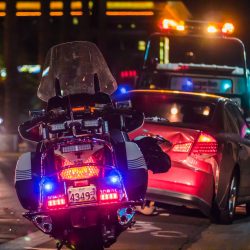
Dashcam footage can help win a Tampa car accident case by showing fault in real time, including lane position, traffic signals, braking, speed patterns, impact angle, and failure to yield. It can resolve conflicting statements, challenge insurance denials, and support injury causation by tying the crash mechanics to the claimed harm. Under Florida comparative negligence rules, clear video can also reduce blame shifting. Preserved, authenticated footage may become powerful evidence, and Tampa Car Accident Layer can help explain how.
Main Takeaways
- Dashcam footage can prove fault by showing lane position, traffic signals, braking, speed patterns, and impact sequence.
- Video creates an objective timeline when drivers disagree or police reports leave uncertainty.
- Post-impact footage can preserve vehicle positions, debris, skid marks, airbag deployment, and damage orientation before cleanup.
- Prompt preservation is critical because dashcam, business, rideshare, or fleet footage may be overwritten within days.
- In Florida, dashcam evidence can reduce comparative fault disputes and strengthen negotiations against claim denials or low settlement offers.
Because fault often turns on seconds of driver behavior, dashcam footage can provide some of the strongest evidence in a Tampa car accident case. It can show lane position, traffic signals, following distance, speed patterns, sudden braking, unsafe turns, and whether a driver failed to yield. These details help clarify liability when drivers give conflicting accounts or when a police report leaves uncertainty.
For injured people and the advocates serving them, Essential evidence preservation is vital. Dashcam files may be overwritten, deleted, corrupted, or held by rideshare drivers, commercial fleets, nearby motorists, or businesses. Prompt requests can secure recordings before they disappear.
When video is suspected but not immediately available, missing footage retrieval may involve preservation letters, subpoenas, witness outreach, and review of nearby vehicles or storefront cameras. Used properly, dashcam evidence can transform a disputed crash into a clear liability case grounded in objective proof rather than speculation.
What Dashcam Video Can Show After Impact
Fault evidence does not end at the moment of collision; dashcam footage after impact can be just as revealing.
Post-impact video may Identify crash details that photographs, memory, or police diagrams later miss.
It can capture angles showing how the vehicles rotated, where debris scattered, whether airbags deployed, and how traffic reacted immediately afterward.
This footage may also show vehicle positions before anyone moves a car for safety, medical access, or traffic flow.
In Tampa crashes, that timing can matter because responders and bystanders often clear lanes quickly.
A recording can preserve skid marks, final resting points, shoulder use, intersection placement, and damage orientation.
Dashcam video may further establish lane changes occurring just before or during the crash sequence, especially when vehicles drift, swerve, or are pushed across markings after impact.
For injured people and those helping them seek accountability, this evidence can support a clearer reconstruction and protect the integrity of the claim from the start.
Why Video Helps Resolve Conflicting Statements
Dashcam footage can establish an objective accident timeline when driver statements conflict. By showing lane position, speed changes, braking, and impact sequence, video helps clarify which account aligns with the physical facts. This evidence can reduce uncertainty and strengthen a Tampa car accident claim.
Objective Accident Timeline
When drivers, passengers, and witnesses describe a crash differently, video can anchor the case to an objective timeline. Dashcam footage preserves the sequence of traffic signals, lane positions, braking, impact, and immediate aftermath. This sustained evidence helps attorneys, insurers, and jurors assess causation without relying on memory distorted by stress or loyalty. Timestamp verification further strengthens the record by linking each event to a measurable moment.
| Timeline Point |
Video Function |
Case Value |
| Before impact |
Shows speed, spacing |
Establishes context |
| Moment of crash |
Captures movement |
Tests causation |
| After impact |
Records conduct |
Supports damages review |
For advocates serving injured people, this clarity matters. It narrows disputes, discourages speculation, and helps responsible parties evaluate claims with fairness, discipline, and accountability.
Clarifying Driver Accounts
Conflicting driver accounts often arise because each person views the collision from a limited angle, under stress, and with a natural incentive to minimize responsibility.
Dashcam footage helps separate perception from fact by showing lane position, traffic signals, braking, speed changes, and the sequence of impact.
This visual record can reduce Witness statement issues when bystanders remember events differently or overlook important details.
It also addresses police report gaps that may occur when officers arrive after the crash and must rely on incomplete narratives.
For attorneys, insurers, and courts, video can confirm whose account aligns with observable evidence.
For injured people seeking fair treatment, it supports a more accurate resolution, promotes accountability, and helps guarantee that decisions are based on what happened, not on persuasive storytelling alone.
How Florida Fault Rules Affect Dashcam Evidence
Florida’s modified comparative negligence rule makes fault allocation central to the value of a Tampa car accident claim.
Dashcam footage can show how each driver’s actions contributed to the crash, helping prove or challenge assigned percentages of fault.
When liability is disputed, clear video evidence can materially affect whether compensation is reduced or barred.
Modified Comparative Negligence
Because fault allocation can determine whether an injured driver recovers compensation at all, dashcam footage may become critical in a Tampa car accident case under Florida’s modified comparative negligence rule. Under this standard, a claimant found more than 50 percent responsible is barred from recovery, while lower percentages reduce damages proportionally.
Video evidence can influence how insurers, judges, or juries evaluate comparative fault by showing timing, lane position, speed, signals, braking, and roadway behavior. It may also clarify injury causation by connecting the impact mechanics to the harm claimed, limiting speculation or blame shifting.
For advocates committed to helping injured people, dashcam evidence serves a practical purpose: it preserves objective details that can protect a valid claim from unfair fault assignments.
Proving Fault Allocation
When liability is disputed after a Tampa crash, dashcam footage can help translate Florida’s negligence rules into concrete proof. Video may show speed, lane position, signaling, braking, visibility, and driver reactions, allowing adjusters, attorneys, or jurors to compare conduct against applicable Negligence standards. This evidence can clarify whether one driver caused the collision or whether responsibility should be divided among multiple parties.
Fault allocation matters because Florida’s modified comparative negligence rule can reduce or bar recovery depending on the injured person’s percentage of fault. Dashcam footage may also reveal third party liability, such as a commercial driver, rideshare operator, road contractor, or another motorist whose actions contributed to harm. By preserving objective facts, the recording helps ensure accountability is assigned accurately and supports fair compensation.
Although an injury claim ultimately depends on proof, dashcam footage can provide the kind of objective evidence that strengthens nearly every disputed issue in a Tampa car accident case. Video may show the force of impact, vehicle movement, road conditions, and the injured person’s immediate physical response.
Dashcam footage can turn disputed crash details into objective evidence that supports a stronger injury claim.
These details help connect the collision to reported pain, medical treatment, work limitations, and diminished daily function.
For advocates focused on helping injured people recover, this evidence can clarify what happened without relying solely on memory or conflicting statements.
Evidence authenticity is essential, so the recording should be preserved promptly, with metadata review confirming the date, time, file history, and absence of alteration.
When properly handled, dashcam footage can support medical causation, demonstrate the seriousness of the crash, and give physicians, experts, and decision-makers a clearer foundation for evaluating harm.
It transforms a personal account into verifiable proof, strengthening the path toward fair compensation.
Dashcam footage can place fault in clear visual context, limiting an insurer’s ability to distort the facts.
When a carrier denies liability or disputes the severity of a claim, video evidence can expose inconsistencies in its position.
It can also strengthen demands for fair compensation by challenging low settlement offers with objective proof.
Proving Fault Clearly
Clear video evidence can shift a Tampa car accident claim from a dispute over competing stories to a fact-driven liability analysis. Dashcam footage may show traffic signals, speed patterns, braking distance, impact angle, and vehicle lane positioning with a level of precision that written statements often lack.
This helps attorneys evaluate whether a driver failed to yield, followed too closely, crossed lanes unsafely, or ignored roadway conditions.
For injured people and those advocating for their recovery, clear fault evidence supports a more accurate account of harm and responsibility.
It also strengthens Witness credibility checks by comparing statements against recorded events.
When footage confirms the sequence of actions before impact, the insurance company has less room to distort uncertainty into doubt about liability.
Countering Claim Denials
Once fault is documented with objective video, the next challenge is often overcoming an insurer’s attempt to deny or undervalue the claim.
Dashcam footage can restrict common insurance tactics by anchoring the case to a verifiable sequence of events.
If an adjuster argues that visibility was poor, traffic was uncertain, or the injured person contributed to the crash, video may directly refute those claims.
Spotting inconsistencies between the footage, police report, witness statements, and insurer correspondence allows a legal team to expose unsupported defenses early.
This matters for injured people seeking fair treatment and for advocates committed to protecting them from procedural pressure.
When denial rests on speculation rather than evidence, dashcam footage can shift the discussion back to documented facts and accountability.
Challenging Low Settlements
When an insurer offers far less than a claim is worth, video evidence can become a powerful tool for challenging the valuation. Dashcam footage can show speed, impact severity, traffic signals, road conditions, and post-crash behavior, giving counsel concrete facts to oppose undervalued offers.
In Insurance Negotiation, this visual record reduces room for speculation and pressures adjusters to account for liability, medical needs, lost income, and long-term harm.
Proper Evidence Preservation also strengthens the demand package by confirming that the footage remains authentic, complete, and admissible.
For injured people, especially those focused on restoring stability for their families and communities, a fair settlement is not a windfall; it is support for recovery.
Clear video can move negotiations from discounting harm toward responsible compensation.
When Dashcam Video Can Hurt Your Case
Although dashcam footage is often viewed as objective evidence, it can weaken a Tampa car accident claim if it captures conduct that suggests speeding, distracted driving, unsafe lane changes, aggressive behavior, or another act of negligence by the injured party. Even partial fault can reduce compensation under Florida’s comparative negligence rules, making careful review crucial before footage is shared.
Omitted context can also create a misleading impression. A clip may show a sudden driving move without revealing the hazard, vehicle movement, or roadway condition that made the response reasonable. Insurers often rely on insurance tactics that isolate damaging seconds while ignoring the broader sequence of events. For injured people seeking accountability and support after a crash, this can shift attention away from the other driver’s misconduct.
Because dashcam video can cut both ways, legal evaluation should address what the recording shows, what it omits, and how it may be framed in negotiations or litigation.
Because dashcam footage can either fortify or diminish a Tampa car accident claim, preserving the complete recording must happen before any review, editing, or sharing occurs.
Preserving complete dashcam footage before review protects the evidence and strengthens the integrity of a Tampa car accident claim.
Many devices overwrite files within hours or days, so the memory card should be removed promptly, labeled, and stored in a secure location.
The original file should remain untouched to protect metadata, timestamps, GPS data, and audio that may help explain how the crash occurred.
A duplicate should be created through reliable Backup storage, such as an encrypted drive or secure cloud account, with access limited to responsible parties.
Written notes should document when the video was found, copied, transferred, and stored.
If litigation is likely, attorneys can issue legal holds to prevent deletion, alteration, or loss of relevant evidence.
Careful preservation reflects respect for the truth, supports fair compensation, and helps ensure that injured people and families are served with accurate proof rather than speculation.
After a Tampa crash, footage from another driver’s dashcam may provide an independent view of the collision, traffic signals, lane positions, vehicle speeds, or driver behavior. This evidence can bolster a claim by confirming what injured occupants, responding officers, or Good Samaritan witnesses observed under stressful conditions.
Securing that footage requires prompt, respectful action. Drivers who stopped at the scene may be identified through crash reports, insurance exchanges, or witness statements. Counsel may contact them, explain the footage’s relevance, and request preservation before automatic deletion kicks in. When cooperation is uncertain, formal preservation letters or subpoenas may be necessary.
Obtaining police videos can also reveal whether officers documented nearby motorists with dashcams or captured statements identifying recorded footage. Requesting witness recordings should be handled carefully, with clear instructions to avoid editing, overwriting, or sharing files informally. Proper collection protects authenticity, supports admissibility, and helps ensure the evidence serves the truth and the injured person’s recovery.
Finding Other Video of the Tampa Crash
Dashcam footage is only one potential source of video evidence; many Tampa crashes are also captured by nearby surveillance systems, traffic cameras, business security cameras, residential doorbells, rideshare vehicles, buses, or parking lot cameras. Identifying these sources quickly can preserve facts that later help injured people, families, insurers, and investigators understand what occurred.
A focused search should begin at the crash scene and expand outward. Storefronts, gas stations, apartment complexes, schools, churches, and public facilities may have cameras pointed toward intersections, driveways, or sidewalks.
Tampa traffic cameras may also provide relevant context, including signal timing, lane movement, congestion, and vehicle positions before impact.
Nearby surveillance can confirm speed, braking, turn signals, pedestrian movement, road conditions, or the presence of a hit-and-run vehicle.
Because many systems overwrite footage within days, prompt requests matter. Effective evidence gathering means documenting camera locations, contacting owners respectfully, and preserving video before it disappears or is altered.
When properly obtained and authenticated, dashcam footage can be admissible in Florida court as evidence in a car accident case. Courts generally require proof that the video fairly and accurately depicts the event, was recorded by a functioning device, and has not been altered. Authentication requirements may be satisfied through testimony from the driver, device owner, responding officer, or another witness familiar with the recording.
A clear chain of custody strengthens admissibility by showing who possessed the file, how it was stored, and whether access was controlled. Playback reliability also matters; a court may consider whether timestamps, resolution, audio, and file metadata support the recording’s accuracy.
Editing limitations are equally important. Cropped, enhanced, or shortened clips may face objections unless the original file is preserved and changes are explained.
Properly preserved footage can help the court focus on facts, accountability, and fair compensation for those harmed by negligent driving.
How a Tampa Car Accident Lawyer Uses Video
Admissibility is only the starting point; the value of video evidence depends on how effectively it is analyzed, preserved, and presented.
Effective video evidence depends on careful analysis, preservation, and clear presentation—not admissibility alone.
A Tampa car accident lawyer examines footage frame by frame to identify speed, lane position, braking, traffic signals, weather, visibility, and driver conduct.
The lawyer may compare video with police reports, vehicle damage, medical records, witness accounts, and expert reconstruction to build a coherent account of fault and harm.
Video can also strengthen negotiations by showing insurers what written statements may obscure.
A lawyer evaluates Camera setup, angle, timestamp accuracy, audio, storage history, and whether gaps or distortions could be challenged.
When privacy concerns arise, counsel can limit disclosure, redact sensitive content, or seek protective measures while preserving evidentiary force.
Used carefully, dashcam footage helps center the injured person’s experience, promote accountability, and support a claim that serves both compensation and public safety.
After crash footage is ensured to be located, the first priority is to maintain it in its original form before it is overwritten, edited, compressed, or shared in a way that weakens its reliability.
The file should be copied directly from the device, labeled with the date, time, source, and location, and stored where it cannot be altered.
Those assisting an injured person should secure backups quickly, including cloud copies and external drives, while keeping the original memory card intact when possible.
A lawyer can request chain of custody documentation from businesses, rideshare drivers, witnesses, or vehicle owners who possess relevant video.
Written preservation requests should be sent promptly, especially to nearby stores, traffic cameras, or fleet operators whose systems may delete footage within days.
No one should post the video publicly or send casual edits to insurers.
Proper handling protects the evidence, supports honest accountability, and helps ensure the footage serves the injured person’s claim effectively.
—————————
Dashcam footage can be powerful evidence in a Tampa car accident case, especially when fault, impact severity, or witness accounts are disputed. Video may clarify how the crash occurred, support injury claims, and strengthen negotiations with insurers. However, footage must be preserved, authenticated, and connected to Florida’s legal standards. Anyone who finds relevant crash video should act quickly. Tampa Car Accident Layer can evaluate the footage and use it strategically to pursue fair compensation.
Tampa Car Accident Layer can help evaluate fault in Tampa parking lot accidents, which usually depends on right-of-way, duty to yield, vehicle movement, and the evidence showing how the low-speed collision occurred. Backing drivers generally must yield to vehicles in travel lanes, but aisle drivers still must use reasonable care. Shared fault may apply if both drivers acted carelessly. Photos, witness statements, surveillance footage, damage location, markings, and signage can shape the claim. The sections below explain how these disputes are commonly evaluated.
Main Takeaways
- Fault often depends on who had the duty to yield when the parking lot collision occurred.
- Backing drivers usually must yield to vehicles already traveling in the parking aisle.
- Shared fault may apply if both drivers were moving, speeding, distracted, or ignoring markings.
- Photos, witness statements, damage location, surveillance video, and signage help reconstruct low-speed crashes.
- Legal guidance may help when insurers dispute fault, minimize injuries, or delay payment.
Who Is Usually at Fault in Parking Lot Accidents?
Many parking lot accidents turn on which driver had the duty to yield at the moment of impact. Fault often falls on the driver backing out without ensuring the lane was clear, the driver cutting across marked spaces, or the driver moving too fast for a crowded area.
A vehicle already traveling in a lane is commonly treated as having a stronger position than one entering from a space, but every case depends on visibility, speed, signals, and attentiveness.
Comparative negligence may also apply when both motorists contributed to the collision, such as when one driver reversed carelessly while another failed to watch the path ahead.
Insurers examine witness statements, damage location, photos, store surveillance, and dashboard footage to reconstruct what happened.
For injured people seeking fair treatment, prompt documentation matters.
Careful legal review can identify all responsible parties and challenge assumptions that unfairly shift blame after a low-speed crash.
Florida Parking Lot Right-of-Way Rules
Florida parking lot right-of-way often turns on marked lanes, posted signs, and the movement of each vehicle.
Drivers backing out of spaces generally must yield to vehicles traveling in the lane.
Motorists must also watch for and yield to pedestrians in marked crosswalks, as failure to do so can strongly affect fault.
Marked Lanes And Signs
In parking lots, marked lanes, arrows, stop bars, yield signs, and posted traffic-control signs often provide the clearest evidence of who had the right of way. Within parking lot boundaries, drivers are expected to follow directional markings and obey visible controls as a reasonable person would on a public roadway. Sign compliance can show care; ignoring signs can support a finding of negligence.
Fault analysis may include photographs, surveillance video, witness statements, and maintenance records showing whether markings were clear, faded, blocked, or confusing. A driver proceeding with the indicated traffic flow generally has a stronger position than one cutting across lanes or disregarding a stop line. Careful review helps protect injured people, promote accountability, and encourage safer shared spaces for customers, employees, and visitors.
Backing Vehicles Must Yield
When a vehicle backs out of a parking space or driveway aisle, the reversing driver generally must yield to vehicles and pedestrians already moving through the lane of travel.
Florida fault analysis often focuses on whether the backing driver checked mirrors, looked over the shoulder, used reasonable caution, and stopped when danger became apparent.
A moving driver still has a duty to watch for hazards, maintain a safe speed, and avoid a preventable impact.
Under comparative negligence, fault may be divided if both drivers contributed to the collision.
Evidence can be decisive.
Skid marks, vehicle resting positions, damage patterns, witness accounts, and surveillance video may show who entered the travel lane first and whether either driver had time to yield, brake, and swerve away safely.
Pedestrians In Crosswalks
Although parking lots often feel informal, drivers must still yield to pedestrians lawfully using marked crosswalks and exercise reasonable care in areas where foot traffic is expected.
Pedestrian crosswalks near storefronts, medical offices, schools, and apartment complexes require heightened attention because vulnerable people may move slowly, carry items, or assist others.
In Florida fault analysis, a driver who enters a crosswalk without stopping, speeds through travel lanes, or fails to scan around parked vehicles may bear liability.
Driver visibility is also important; poor lighting, large vehicles, landscaping, or weather may affect what could reasonably be seen.
Still, limited visibility does not excuse careless driving.
Evidence such as surveillance video, witness accounts, lighting conditions, and vehicle position helps determine whether the driver acted responsibly and protected pedestrian safety.
Common Fault Scenarios in Parking Lot Crashes
Common parking lot crash disputes in Tampa often involve backing-out collisions, contested right-of-way, and impacts with pedestrians or shopping carts.
Fault may depend on visibility, driver movement, lane position, posted signs, and whether a pedestrian had a lawful path of travel.
Careful documentation of these facts can help injured parties challenge blame and support a stronger claim.
Backing Out Collisions
Because drivers backing out of parking spaces have limited visibility, they are often expected to yield to vehicles already traveling through the parking lane.
Fault may turn on whether the reversing driver checked mirrors, used a backup camera, paused before entering the lane, and proceeded slowly.
However, the analysis should also consider whether the other driver was speeding, distracted, or failed to use reasonable caution in a congested lot.
Surveillance video can clarify vehicle movement, brake lights, and timing.
Witness statements may also help establish whether a horn sounded, a driver stopped, or a vehicle suddenly accelerated.
In Tampa parking lot claims, careful evidence preservation supports fair outcomes and helps protect injured people seeking accountability, practical guidance, and respectful resolution after a preventable low-speed collision.
Right-Of-Way Disputes
Backing collisions are only one source of parking lot fault disputes; many Tampa crashes arise when drivers disagree about who had the right-of-way in travel lanes, at intersections between aisles, or near lot entrances and exits. Even minor fender benders can involve disputed signs, faded arrows, speed, and lookout duties. Florida’s comparative fault rules may assign shared responsibility when both drivers failed to yield or proceeded carelessly.
| Situation |
Vital proof |
Fault issue |
| Main lane vs. aisle |
Photos, layout |
Who should yield |
| Unmarked intersection |
Witness statements |
Reasonable caution |
| Entrance/exit conflict |
Video, damage |
Safe merging |
A careful claim review considers traffic controls, vehicle positions, impact points, and whether each driver acted with patience toward others using the lot.
Pedestrian And Cart Impacts
A parking lot crash involving a pedestrian or shopping cart often turns on visibility, speed, and control. Drivers must watch for people walking between vehicles, children near storefronts, and carts left in travel lanes.
Pedestrians also have duties to stay alert and avoid sudden movements into a vehicle’s path. Fault may rest with a driver who backs without checking mirrors, a shopper who releases an unsecured cart, or a store that fails to manage cart corrals and pedestrian flow.
Surveillance video can clarify timing, sightlines, and whether a driver had enough opportunity to stop. Witness statements may confirm warnings, horn use, or distracted behavior.
Careful evidence review helps protect injured people and ensures responsibility is assigned fairly under Florida negligence principles in each case.
What If Both Drivers Were Moving?
Two moving vehicles can make fault in a Tampa parking lot crash harder to determine, especially when one driver is backing out while another is traveling through the aisle. Comparative negligence, shared fault, may apply when both drivers had duties to look, yield, and proceed cautiously.
| Situation |
Fault Consideration |
| Backing from a space |
Must yield to aisle traffic |
| Driving down aisle |
Must watch for reversing vehicles |
| Both speeding |
Responsibility may be divided |
| Limited visibility |
Extra caution is expected |
A driver backing out is often scrutinized because that vehicle enters a travel path. However, the aisle driver is not excused from care, particularly in crowded lots near stores, clinics, schools, or churches where people serve families and vulnerable visitors. If both drivers failed to act reasonably, each may bear a percentage of fault. That percentage can affect compensation, making early legal guidance important before statements or insurer conclusions shape the claim.
Evidence That Shows Who Was at Fault
When fault is disputed after a Tampa parking lot accident, evidence often determines whether one driver, both drivers, or another party bears responsibility. Important proof may include vehicle positions, skid marks, debris patterns, damage location, painted arrows, stop signs, lighting conditions, and nearby surveillance cameras. Dashcam footage can be especially helpful because it may show speed, direction of travel, backing movements, and whether a driver failed to yield.
Witness statements also matter, particularly when they come from neutral shoppers, employees, security personnel, or bystanders who saw the collision unfold. Their observations can help clarify whether a driver ignored traffic markings, reversed without checking, cut across spaces, or drove too fast for the setting.
Prompt documentation supports a fair fault determination. Photos should capture the broader parking lot layout, not just vehicle damage. A careful review of all available evidence helps protect injured people and promotes accountability for unsafe conduct.
How Insurance Handles Tampa Parking Lot Claims
Insurance companies often treat Tampa parking lot claims as fact-intensive disputes because low-speed collisions can still involve unclear right-of-way issues, backing movements, shared fault, and conflicting driver accounts.
Adjusters typically review photographs, vehicle damage, witness statements, police or incident reports, and any available surveillance video before adjusting fault determination. Even minor impact claims may require careful analysis of Florida traffic duties, property layout, and whether each driver used reasonable care.
Insurance claim timelines can vary depending on how quickly evidence is gathered, whether liability is contested, and whether injuries or property damage require further documentation.
Claimants are generally expected to report the crash promptly, cooperate with reasonable information requests, and avoid speculative statements that may be used against them.
A fair review should account for comparative fault, not assumptions based solely on impact location. Clear records, consistent descriptions, and organized supporting materials help insurers evaluate responsibility while protecting the claimant’s ability to serve family, work, and community needs.
When to Call a Tampa Parking Lot Lawyer
A disputed claim may call for legal guidance once the insurer questions fault, delays payment, minimizes injuries, or pressures a claimant to give a recorded statement before the facts are fully developed. In Tampa parking lot collisions, counsel can assess duties, comparative fault, and available coverage while protecting the injured person’s ability to recover.
| Concern |
Why It Matters |
Lawyer’s Role |
| Unclear right-of-way |
Fault may be shared |
Analyze traffic flow |
| Missing video |
Evidence may vanish |
Demand evidence preservation |
| Injury dispute |
Low speed is often minimized |
Document medical proof |
| Service vehicle involved |
Employer coverage may apply |
Identify liable parties |
When to consult becomes urgent if witnesses are leaving, surveillance loops are short, or a business controls critical records. A lawyer can send preservation letters, coordinate with medical providers, and negotiate without exposing the claimant to unfair admissions. Early action helps serve truth, accountability, and practical recovery.
—————————
Determining fault in Tampa parking lot accidents depends on right-of-way, driver movement, signage, visibility, and available evidence. Even low-speed collisions can create disputes, injuries, and insurance complications. Florida’s comparative fault rules may affect compensation when both drivers share blame. Tampa Car Accident Layer can evaluate reports, video footage, witness accounts, and insurer positions to protect the injured party’s claim. Prompt legal guidance helps preserve evidence and pursue fair recovery after a parking lot crash.
Speeding can strongly affect an injury case by helping prove negligence, increasing crash severity, and expanding damages. Excess speed may show a driver failed to use reasonable care or drove too fast for conditions. It can also cause worse injuries, higher medical bills, longer recovery, lost wages, and greater pain and suffering. Evidence such as police reports, vehicle data, witnesses, and medical records can be vital. The sections below explain how these issues shape a claim. Tampa Car Accident Layer
Main Takeaways
- Speeding can support negligence by showing a driver failed to use reasonable care under Tampa road conditions.
- Higher speeds often increase crash force, causing more severe injuries, longer treatment, and greater medical expenses.
- Evidence like police reports, vehicle data, witnesses, skid marks, and video can help prove speeding contributed to the crash.
- Speed-related injuries may increase damages for medical bills, lost wages, pain, emotional distress, and reduced earning capacity.
- Florida comparative negligence rules may reduce compensation if the injured person also contributed to the collision.
How Speeding Affects a Tampa Injury Claim
When a crash involves speeding, it can significantly shape a Tampa injury claim by influencing fault, causation, and the value of damages. Excess speed may show that a driver failed to use reasonable care, strengthening evidence of negligence. It can also connect the unlawful conduct to more severe injuries, longer recovery needs, and higher medical expenses.
Comparative negligence may still affect recovery if another party also contributed to the collision. Under Florida law, fault percentages can reduce compensation, making accurate evidence crucial. Police reports, crash reconstruction, vehicle data, witness statements, and medical records may help clarify how speed affected impact and injury severity.
Speeding can also intensify insurance disputes. Insurers may question whether the alleged speed caused the harm claimed or argue that another factor limited liability. Careful documentation helps protect the injured person’s claim and supports a fair outcome that serves both accountability and community safety.
Common Tampa Crashes Caused by Speeding
Speeding commonly contributes to serious Tampa crashes by reducing a driver’s ability to stop, react, or maintain control.
Rear-end collisions often occur when a speeding driver cannot brake in time for slowed or stopped traffic.
Intersection impact crashes may also result when excessive speed prevents safe yielding, stopping, or turning.
Rear-End Collisions
Because higher speeds reduce reaction time and increase stopping distance, rear-end collisions are a frequent result of aggressive or inattentive driving on Tampa roads. When a speeding driver follows too closely, a routine slowdown can become a violent impact, leaving occupants with whiplash, spinal injuries, concussions, or lasting pain. Comparative negligence may be evaluated if braking, following distance, or distraction is disputed. Accident reconstruction can clarify speed, impact force, and whether safer driving would have prevented harm.
| Human Cost |
Community Concern |
| A parent misses work |
A family loses stability |
| A child fears riding again |
Caregivers provide reassurance |
| An elder faces recovery alone |
Neighbors may step in |
| A volunteer cannot serve |
Others carry the mission |
These crashes warrant careful evidence review.
Intersection Impact Crashes
At Tampa intersections, excessive speed can turn a missed yellow light, rushed left turn, or failed yield into a severe side-impact or angle collision. These crashes often leave little time for drivers, cyclists, or pedestrians to react, increasing the likelihood of traumatic injuries.
Red light crossings become especially dangerous when speeding vehicles enter busy corridors before others can clear the intersection. The same risk extends to pedestrian crosswalk collisions, where impact force may cause catastrophic harm to those least protected.
In injury cases, speed can help explain collision severity, braking distance, and whether a driver had a fair opportunity to avoid harm. Careful investigation of signal timing, surveillance footage, skid marks, and witness accounts can support accountability and help injured people seek necessary care.
Why Speeding Often Leads to Worse Injuries
Often, the severity of injuries in a Tampa car accident increases when a driver is traveling too fast for the road, traffic, or weather conditions. Higher speed raises crash force, shortens reaction distance, and reduces the ability to brake, steer, or avoid vulnerable road users.
For responders, caregivers, and advocates, this explains why speeding cases often involve more urgent medical needs and lasting harm.
- Impact thresholds: Human bodies and vehicle structures tolerate only limited force before serious trauma occurs, including head, spine, chest, and internal injuries.
- Severity mismatch: A speeding vehicle may strike slower traffic, pedestrians, cyclists, or stopped cars with force the victim could not reasonably absorb.
- Vehicle crush: Greater energy causes deeper intrusion into passenger compartments, increasing contact with hard surfaces and raising the risk of injury escalation.
Speed also complicates recovery because multiple injuries may occur at once, requiring coordinated treatment, rehabilitation, and ongoing support.
Florida Speed Laws Used to Prove Negligence
Florida speed laws can play a central role in proving negligence after a Tampa car accident by showing that a driver failed to operate with reasonable care under the circumstances. Under Florida law, motorists must obey posted speed limits and also adjust speed for traffic, weather, road design, visibility, and pedestrian presence.
A driver traveling within the posted limit may still violate the law if conditions required slower, safer operation.
These rules help define the negligence standard applied in injury cases. When police reports, citations, crash data, or witness statements show speeding-related traffic violations, those facts may support an argument that the driver breached a legal duty of care.
For injured individuals and those assisting them, understanding these laws helps clarify why speed is not judged by numbers alone. It is measured against what a prudent driver would do to protect others sharing Tampa’s roads in the same situation. This can influence liability evaluations and settlement negotiations.
How Speeding Helps Establish Fault
When a driver exceeds a safe speed, that conduct can become strong evidence that the driver caused or contributed to a Tampa collision. Speeding narrows reaction time, lengthens stopping distance, and increases the force of impact, making it easier to connect unsafe conduct to preventable harm. Fault often turns on whether a reasonably careful driver would have slowed down under the same conditions.
- Speed may show the driver failed to maintain control when traffic, weather, pedestrians, or roadway design required caution.
- Speeding can magnify other negligent behavior, including Driver distraction, by leaving too little time to notice hazards or respond safely.
- Excessive speed can support witness testimony describing aggressive driving, sudden lane changes, or an inability to stop before impact.
For injured people and those serving them, this fault analysis matters because it helps explain how careless choices created risk and why accountability may be justified under Florida negligence principles.
Evidence That Proves a Driver Was Speeding
Proving that speed caused or contributed to a Tampa car accident requires evidence that connects the driver’s conduct to the moments before impact.
Speeding claims depend on evidence linking the driver’s actions to the moments before impact.
Investigators may rely on crash scene measurements, vehicle damage, skid marks, debris fields, and traffic camera footage to evaluate travel speed.
Event data recorders can provide valuable speeding evidence, including throttle position, vehicle speed, seat belt use, and braking records shortly before the collision.
Witness statements may also help establish whether a driver appeared to be traveling too fast for traffic, weather, or roadway conditions.
Police reports, citations, surveillance video, dashcam footage, and GPS data can further support a claim that excessive speed played a role.
Accident reconstruction experts often analyze these materials to explain how speed affected reaction time and stopping distance.
Clear documentation helps injured people and their advocates present a stronger fault argument, encouraging accountability and supporting efforts to serve those harmed by negligent driving.
How Speeding Can Increase Damages
Speeding magnifies the force of a collision, often turning an avoidable crash into one involving severe injuries, extensive medical treatment, and lasting financial loss. In Tampa injury cases, higher speed can strengthen the connection between reckless conduct and the harm suffered.
Medical causation becomes clearer when records show trauma consistent with a high-impact crash, assisting physicians, insurers, and advocates focused on restoring injured people’s stability.
- Greater injury severity: Faster impacts may cause fractures, brain injuries, spinal trauma, or internal damage, making proving injuries more direct through imaging, treatment notes, and expert opinions.
- Higher economic harm: Damages assessment includes emergency care, surgeries, rehabilitation, medication, lost wages, reduced earning capacity, and home assistance needed for recovery.
- Expanded non-economic losses: Calculating losses may also account for pain, emotional distress, impaired mobility, and diminished ability to serve family, community, or work responsibilities.
Speed evidence can therefore support a fuller, fairer valuation of damages.
What If Both Drivers Share Fault?
Even if both drivers contributed to a Tampa crash, an injured person may still recover compensation under Florida’s comparative fault rules. Comparative negligence allows responsibility to be divided when shared fault exists. For example, one driver may have been speeding while the other failed to yield, changed lanes unsafely, or followed too closely. In that situation, the evidence helps determine Percentage liability for each party.
This allocation matters because Tampa damages may be reduced according to the injured person’s share of fault. If a claimant is assigned 20 percent responsibility, recoverable losses may be reduced by that amount.
Careful evaluation of crash reports, witness statements, roadway conditions, vehicle damage, and medical records can help present a fair picture of what happened.
For those committed to serving injured people, the crucial point is not assuming partial fault ends a claim. It often means the case requires stronger proof, clear analysis, and advocacy.
How Insurers Fight Speeding Claims
After fault is divided, insurance companies often look for ways to reduce the value of a speeding-related injury claim. Their goal is to limit payment by challenging causation, severity, or the injured person’s account.
In Tampa cases, these tactics can affect people already focused on recovery, caregiving, and returning to service within their families and communities.
Insurance tactics can add pressure when injured people are already trying to heal, provide care, and regain stability.
- Disputing speed evidence: Insurers may argue that police reports are incomplete, estimated, or based on unreliable witness statements rather than precise measurements.
- Reframing the crash: They may use surveillance footage to claim the speeding driver’s conduct was not the main cause, or that another hazard mattered more.
- Minimizing injuries: Adjusters may contend that medical treatment was excessive, delayed, or unrelated to the collision.
These strategies are designed to create doubt.
Careful documentation, consistent statements, and reliable evidence help clarify how speeding contributed to the crash and resulting harm.
How a Tampa Car Accident Lawyer Can Help
When a speeding crash leads to disputed fault or contested injuries, a Tampa car accident lawyer can help by investigating the collision, preserving evidence, and addressing insurer tactics before they weaken the claim. Counsel may obtain crash reports, traffic camera footage, vehicle data, witness statements, and medical records to connect excessive speed with impact severity and harm.
A focused Liability strategy can identify negligent drivers, commercial owners, or other responsible parties while anticipating comparative fault arguments. This helps protect injured people from being unfairly blamed when they were already placed at risk by reckless driving.
Legal representation also supports accurate valuation of medical expenses, lost income, pain, future care, and reduced quality of life. During settlement negotiation, a lawyer can present organized proof, challenge low offers, and pursue litigation if necessary. This advocacy helps injured community members seek accountability, stability, and resources needed to recover and continue serving their families and others.
—————————
Speeding can materially affect Tampa car accident injury cases by strengthening evidence of negligence, increasing the severity of injuries, and influencing the value of damages. When insurance companies dispute fault or minimize losses, clear proof of excessive speed may be essential. Because Florida’s comparative fault rules can impact recovery, injured victims benefit from careful investigation and strong legal advocacy. Tampa Car Accident Layer can help protect claims and pursue fair compensation after a speeding-related crash.
A Tampa fatal car accident may become a wrongful death claim when negligence, recklessness, or misconduct causes a person’s death. Under Florida law, the personal representative usually files for eligible survivors and the estate. Claims may seek funeral costs, final medical expenses, lost support, companionship loss, and mental pain and suffering. Most cases have a two-year deadline from death. Evidence, insurance coverage, and comparative fault shape recovery, and Tampa Car Accident Layer can help explain these issues further.
Main Takeaways
- A Tampa wrongful death claim may arise when a fatal crash is caused by negligent, reckless, or intentional conduct.
- Florida generally requires the personal representative to file for eligible survivors and the deceased person’s estate.
- Eligible survivors may include a spouse, children, parents, and certain dependent relatives or adoptive siblings.
- Most Florida wrongful death claims must be filed within two years from the date of death.
- Compensation may include funeral costs, final medical expenses, lost support, companionship losses, and statutory estate damages.
What Is a Tampa Wrongful Death Claim?
When a fatal car accident in Tampa results from another party’s negligence, a wrongful death claim allows certain surviving family members or the estate to seek civil compensation for the losses caused by the death.
In practical terms, Wrongful death basics involve recognizing that the claim belongs within civil law, not criminal prosecution, and focuses on financial and human harms suffered after the loss.
A wrongful death claim is a civil path toward accountability for the losses families endure.
Florida law generally requires the personal representative of the deceased person’s estate to bring the action for the benefit of eligible survivors and the estate.
Through the Florida claim process, recoverable damages may address lost support, services, companionship, guidance, medical expenses, funeral costs, and related estate losses.
For families, this process can create a structured path for accountability while honoring the dignity of the person who died.
Careful legal review helps identify beneficiaries, preserve evidence, meet deadlines, and pursue relief with steadiness and purpose.
When a Fatal Car Accident Becomes Wrongful Death
A Tampa wrongful death claim begins to take shape once the facts show that a fatal car accident was caused by another person or entity’s negligent, reckless, or intentional conduct. Under Florida legal standards, the central question is whether the death would not have occurred but for unsafe conduct, such as impaired driving, speeding, distracted driving, defective vehicle parts, or dangerous road conditions.
| Wrongful death triggers |
Human impact |
Legal focus |
| Drunk or reckless driving |
A family receives a call no one is prepared to hear |
Breach of duty |
| Distracted driving |
A routine trip becomes a final goodbye |
Causation |
| Unsafe vehicle or roadway |
Preventable danger leaves lasting grief |
Accountability |
The analysis often turns on evidence: crash reports, witness statements, vehicle data, toxicology results, and roadway conditions. When those facts connect misconduct to a death, civil accountability may serve both justice and public safety.
Who Can File a Tampa Wrongful Death Claim?
Who has the legal authority to act after a fatal crash in Tampa depends on Florida’s Wrongful Death Act, which generally requires the claim to be filed by the decedent’s personal representative on behalf of the estate and eligible survivors. This representative may be named in a will or appointed by the probate court, and carries the duty to pursue the claim for those the law recognizes.
Florida wrongful death claims must be brought by the personal representative for the estate and eligible survivors.
Eligibility parties may include a surviving spouse, children, parents, and, in some circumstances, blood relatives or adoptive siblings who depended on the decedent for support or services.
The estate may also seek certain losses connected to the death. Family standing is in turn not based only on grief, but on statutory relationship, dependency, and legally recognized damages.
Careful identification of all survivors helps prevent exclusion, conflict, or uneven distribution. In service to grieving families, the process should honor both legal requirements and the human impact of the loss.
The Deadline for Tampa Wrongful Death Claims
Identifying the proper personal representative and survivors is only part of protecting a Tampa wrongful death claim; the filing deadline can determine whether the case may proceed at all. Under Florida law, the Statute limitations period for most wrongful death actions is generally two years from the date of death.
Missing this period can bar claim filing, regardless of the seriousness of the loss.
Careful attention to filing deadlines helps families preserve accountability while they focus on caregiving, grief, and service to others. Important timing issues may include:
- Date of death: This usually starts the legal clock, not the crash date if death occurred later.
- Government involvement: If a public vehicle or agency may be responsible, notice requirements and timelines vary.
- Evidence preservation: Prompt action helps secure reports, vehicle data, witness accounts, and insurance information.
Because exceptions may apply, a timely legal review can clarify the applicable deadline and protect the family’s right to proceed.
Compensation in a Tampa Wrongful Death Claim
After a fatal Tampa car accident, compensation in a wrongful death claim is meant to address the financial and personal losses caused by the death, as recognized under Florida law. Recoverable damages may include funeral and burial expenses, medical costs related to final injury care, lost support and services, loss of companionship, and mental pain and suffering for eligible survivors.
Wrongful death compensation may address funeral costs, final medical care, lost support, companionship loss, and survivors’ suffering.
The estate may also seek lost earnings, lost prospective net accumulations, and other damages permitted by statute.
A careful insurance coverage review can help identify available sources of recovery, including bodily injury liability coverage, uninsured or underinsured motorist coverage, and other applicable policies.
A policy limits analysis is also important because available insurance may shape settlement strategy and expectations.
Compensation cannot restore a life, but it can provide stability, accountability, and resources for those left to carry responsibilities.
Each claim requires close evaluation of survivors, losses, coverage, and statutory rights in Tampa.
How Fatal Crash Negligence Is Proven
Compensation depends not only on the extent of the family’s losses, but also on proving that another party’s negligence caused the fatal Tampa car accident. In a wrongful death claim, negligence is analyzed through legal duties, breached responsibilities, and the relationship between the misconduct and the death.
- Duty and breach: A driver, company, or other responsible party must have owed a duty of reasonable care and failed to meet it through unsafe conduct.
- Causation standards: The claimant must show the breach was a legal cause of death, meaning the fatal harm would not have occurred, or was substantially contributed to, by the negligent act.
- Comparative negligence: Florida law may reduce recovery if the deceased person shared fault, requiring careful assessment of each party’s conduct.
This analysis serves grieving families by separating blame from proof, allowing the claim to focus on accountability, fairness, and lawful support after preventable loss.
Evidence Needed After a Fatal Tampa Crash
After a fatal Tampa crash, evidence helps establish what happened and whether negligence caused the loss. Police crash reports, witness statements, and vehicle damage photos may clarify fault, impact severity, and the sequence of events.
Preserving these materials early can support a wrongful death claim while respecting the family’s need for answers and accountability.
Police Crash Reports
Why does a police crash report matter in a fatal Tampa accident case? It often provides the first organized record of what authorities found after the collision.
For grieving families and those serving them, this document can help preserve Wrongful death evidence and guide careful legal review.
- Core facts: Police investigation summaries may identify drivers, vehicles, location, time, weather, citations, and apparent contributing factors.
- Initial fault analysis: Although not always conclusive, the report may support questions about negligence, impairment, speeding, distraction, or roadway conditions.
- Claim preparation: Attorneys may compare the report with medical records, scene evidence, and expert analysis to evaluate damages and liability.
A police report should be obtained promptly, reviewed respectfully, and understood as one part of a broader wrongful death investigation.
Witness Statements
When a fatal Tampa crash is investigated, witness statements can provide critical context about how the collision occurred and what conditions existed moments before impact. Eyewitness accounts may describe driver behavior, traffic signals, speed, roadway hazards, weather, or signs of impairment. These details can help clarify liability when physical evidence or official reports leave unanswered questions.
Attorneys and investigators evaluate witness credibility by considering vantage point, consistency, timing, potential bias, and whether the witness was distracted. Promptly recorded statements often preserve important observations before memories fade.
In a wrongful death claim, reliable testimony can support the family’s pursuit of accountability while honoring the loss with careful, respectful fact development. Such evidence may also assist insurers, courts, and advocates in understanding the human consequences of negligent conduct.
Vehicle Damage Photos
How can vehicle damage photos help explain the force and mechanics of a fatal Tampa crash? They preserve details that may disappear after towing, repairs, or disposal.
For grieving families and those serving them, images can support careful reconstruction and wrongful death evaluation.
- Crush patterns may show impact direction, speed, and whether braking or evasive movement occurred.
- Vehicle interior damage can indicate occupant movement, seatbelt use, airbag deployment, or intrusion into the passenger space.
- Close photographs of glass, tires, lights, and debris transfer may help connect the vehicle to roadway evidence.
The photo evidence importance lies in its ability to make technical facts visible. Attorneys, investigators, and experts can use these images to assess liability, causation, and the full consequences of the loss.
What If the Victim Was Partly at Fault?
Could a wrongful death claim still proceed if the person who died may have shared some responsibility for the crash? In Florida, the answer may depend on Comparative Fault, a rule that assigns percentages of responsibility among those involved.
If evidence shows the deceased contributed to the collision, the claim is not automatically barred, but any recovery may face a Damages Reduction based on that percentage.
For grieving families, this analysis can feel painful, yet it is a legal assessment rather than a judgment on a loved one’s worth.
Courts may consider speeding, distraction, impairment, failure to yield, or other conduct alongside the actions of other drivers.
The central question remains whether another party’s negligence also caused the fatal harm.
Careful investigation helps protect the integrity of the claim.
Witness accounts, crash reconstruction, roadway conditions, and vehicle evidence may clarify fault, allowing surviving family members to pursue accountability with dignity and purpose after devastating loss.
How Insurers Handle Fatal Accident Claims
After a fatal Tampa car accident, insurers typically begin an early claim investigation while the family is still facing profound loss.
They review available policy limits, liability evidence, and potential damages to assess financial exposure.
Settlement tactics may follow, making careful evaluation critical before any release is signed.
Early Claim Investigation
In the days following a fatal Tampa car accident, insurers often begin investigating *without* the family has had time to understand the full legal significance of the loss. Early activity may shape case timelines, preserve evidence, and *define* damages basics for later evaluation.
- Insurers may contact witnesses, obtain crash reports, review photographs, and seek recorded statements from grieving relatives.
- Adjusters may analyze fault, medical causation, vehicle data, and whether any conduct *played a role* in the collision.
- Representatives may request documents concerning income, dependency, funeral expenses, and surviving family relationships.
For families focused on service, dignity, and care, this process can feel intrusive.
A careful legal review helps ensure cooperation does not unintentionally narrow the claim, overlook evidence, or undervalue the human consequences of wrongful death.
Policy Limits Review
When a fatal Tampa car accident claim reaches an insurer, one of the first financial questions is whether the available policy limits are enough to address the losses caused by the death. The insurer reviews Liability coverage, declarations pages, endorsements, exclusions, and any umbrella or excess policies that may apply. This policy cap analysis helps define the maximum funds contractually available before broader recovery options are considered. In wrongful death matters, limits can be especially important because damages may include medical expenses, funeral costs, lost support, and survivors’ emotional losses.
A careful review also identifies multiple insured vehicles, permissive drivers, employer coverage, or household policies. For families seeking accountability, understanding these limits provides a clearer framework for evaluating compensation, preserving rights, and guiding decisions with dignity.
Settlement Tactics Used
During fatal car accident negotiations, insurers may use settlement tactics that focus on limiting exposure, controlling the pace of the claim, and narrowing the value of wrongful death damages.
Insurance negotiation often requires careful attention to grief-related losses, financial dependency, and statutory beneficiaries.
- Damage valuation: Adjusters may undervalue companionship, support, and future income, requiring a clear demand package strategy supported by records and witness statements.
- Insurer denial tactics: Carriers may dispute liability, causation, or coverage, even where evidence suggests responsibility, to reduce payment or delay resolution.
- Settlement pressure: Early offers may arrive before families understand long-term consequences.
Compassionate advocacy evaluates whether trial threat messaging is appropriate, helping preserve accountability while serving survivors with dignity, patience, and legally grounded guidance throughout the claim.
How Tampa Wrongful Death Damages Are Valued
Valuing wrongful death damages after a fatal Tampa car accident requires a careful review of the financial and human losses caused by the death. The process often begins with an economic loss calculation, including lost income, benefits, household services, medical expenses, and funeral costs. Age, health, work history, earning capacity, and dependents’ needs may affect the projected value.
A non economic valuation addresses losses that cannot be measured by invoices or pay records. These may include loss of companionship, guidance, protection, parental support, and the emotional suffering of surviving family members. Florida law identifies who may recover and what categories may apply, so valuation depends on the relationship between the deceased person and each survivor.
In service-oriented families and communities, these losses often reflect more than finances. The value may also recognize caregiving, leadership, and daily support the person provided to others with consistency and love. Accurate valuation requires context, evidence, and judgment.
How a Tampa Wrongful Death Lawyer Helps
After the value of a wrongful death claim is evaluated, a Tampa wrongful death lawyer helps protect that value by managing the legal, factual, and procedural demands of the case. This support allows grieving families and representatives to focus on care, stability, and honoring the person lost while the claim is handled with discipline.
- Liability investigation: Counsel reviews crash evidence, police findings, witness accounts, vehicle data, and insurance issues to identify every responsible party and preserve proof before it is weakened or lost.
- Claim strategy: The lawyer aligns damages evidence, legal deadlines, probate considerations, and negotiation posture so the case is presented with accuracy, dignity, and purpose.
- Advocacy and resolution: Counsel communicates with insurers, challenges undervaluation, prepares for litigation when needed, and seeks an outcome that reflects both legal responsibility and the family’s loss.
Through this role, the lawyer serves as both advocate and legal steward.
Steps to Take After a Fatal Tampa Car Accident
When a fatal car accident occurs in Tampa, the immediate steps taken by surviving family members or the personal representative can affect both the investigation and any future wrongful death claim. The priority is to ensure emergency services are contacted, ensure injured persons receive aid, and allow law enforcement to secure an official report. If safe, those present should preserve scene evidence through photographs, witness names, vehicle positions, road conditions, and visible hazards.
| Step |
Purpose |
| Call 911 |
Creates emergency response and police documentation |
| Identify witnesses |
Protects independent accounts of what occurred |
| Save records |
Supports damages, expenses, and family losses |
Families should avoid discussing fault with insurers before legal guidance. Medical, funeral, employment, and dependency documents should be organized early. A personal representative may later use these materials to evaluate liability, insurance coverage, and recoverable damages. Careful action honors the deceased while protecting the family’s lawful interests.
—————————
Fatal car accidents in Tampa can leave families facing grief, financial pressure, and difficult legal questions. A wrongful death claim may help survivors seek accountability and compensation for their losses, but strict deadlines, insurance tactics, and damage valuation issues can make the process complicated. Understanding who may file, what damages may be available, and how liability is proven is vital. Tampa Car Accident Layer can help families protect their rights while they focus on mourning and recovery.
If an at-fault driver flees a Tampa crash, the injured person should call 911, avoid chasing the vehicle, report details, and get medical care quickly. Police may use witness statements, debris, traffic cameras, and vehicle descriptions to identify the driver. Insurance recovery may still be possible through PIP, uninsured motorist coverage, or collision coverage. Prompt documentation protects health, claims, and legal rights, and Tampa Car Accident Layer can help explain the main steps for what comes next after the crash.
Main Takeaways
- Call 911 immediately, report the crash location, vehicle description, travel direction, license plate details, and any visible injuries.
- Do not chase the fleeing driver, because pursuit can create additional danger and complicate the investigation.
- Police can investigate using witness statements, traffic cameras, business footage, vehicle debris, and partial plate information.
- Seek medical care promptly, even for minor symptoms, because adrenaline can mask serious injuries after a crash.
- The fleeing driver may face hit-and-run consequences, while fault and injury compensation are handled through separate liability claims.
What Counts as a Tampa Hit-and-Run?
After a Tampa crash, a hit-and-run generally occurs when a driver involved in the collision leaves the scene without stopping, providing required information, or helping anyone who may be injured.
This duty can apply even when the damage appears small or no one seems hurt.
A Comparison of hitandrun versus liability is important: fleeing concerns the driver’s failure to remain and comply with legal duties, while liability concerns who caused the collision and owes compensation.
A driver may be liable without fleeing, or may flee even when fault is disputed.
Examples of Tampa minor damage scenarios include a driver scraping a parked car in a grocery lot, tapping a bumper in Channelside traffic, clipping a mirror on a narrow street, or damaging a scooter near a campus.
Leaving a note may not always satisfy legal obligations.
The conduct is judged by what the driver did after impact, not merely by the crash’s severity.
Call 911 and Report the Hit-and-Run
After a hit-and-run in Tampa, the injured party should prioritize immediate safety and call 911 as soon as possible.
Dispatchers need crucial details, including the crash location, vehicle description, direction of travel, and any visible injuries.
If anyone may be hurt, medical help should be requested immediately, even when symptoms seem minor.
When an at-fault driver flees a Tampa crash, the first priority is protecting everyone at the scene and contacting emergency help. Bystanders and victims should Call 911 immediately, even if injuries seem minor. Dispatchers can send police, fire, or medical responders and guide basic Scene Control until help arrives.
- Move to a safe location if traffic, fire, or debris creates danger.
- Check passengers, pedestrians, and other drivers for urgent medical needs.
- Turn on hazard lights or use flares only when safe.
- Avoid chasing the fleeing driver, which can create further harm.
- Get Assistance from nearby witnesses to warn traffic or comfort the injured.
Calm, organized action helps ensure Safety while allowing trained responders to take over quickly and appropriately. This protects vulnerable people first.
Provide Key Details
Reporting the hit-and-run promptly gives Tampa law enforcement the best chance to locate the fleeing driver and create an official crash record.
After occupants immediately seek safety, a caller should provide 911 with the crash location, direction the other vehicle traveled, vehicle make, model, color, license plate digits, and any distinguishing damage or decals.
The report should also include the time of impact, number of vehicles involved, witness names, and nearby cameras or businesses that may have captured footage.
If it is safe, those present should preserve scene details by leaving debris, vehicle positions, and skid marks undisturbed until officers arrive.
Clear, calm information helps responders act quickly, supports community accountability, and protects the rights of those affected by the crash in Tampa.
Request Medical Help
How quickly medical aid is requested can shape both health outcomes and the official response to a Tampa hit-and-run. A witness or injured person should call 911 immediately, describe injuries, location, hazards, and the fleeing vehicle, then follow dispatcher instructions. Calm, service-minded action protects victims and preserves facts.
- Check for breathing, bleeding, or recuperation without moving anyone unless danger requires it.
- Use Scene safety planning to warn traffic, avoid fire risks, and guide responders.
- Report that the at-fault driver fled, giving direction, plate details, and vehicle description.
- Ask police and EMS where victims will be taken and how reports can be obtained.
- Support documentation needs, including privacy consent forms, when sharing medical information with insurers or legal representatives later.
Get Medical Care After the Crash
After a hit-and-run crash, prompt medical evaluation is critical, even when injuries seem minor. Some conditions may not be immediately obvious, and early recovery can protect the injured person’s health.
Medical records also help document injuries and connect them to the crash.
Prompt Medical Evaluation
Even when injuries seem minor, anyone involved in a Tampa hit-and-run crash should seek medical evaluation as soon as possible. Adrenaline can mask pain, and delayed symptoms may signal serious harm. Prompt care protects health and supports responsible recovery efforts.
Medical professionals can assess conditions that may not be obvious, such as concussion, internal bleeding, or soft-tissue damage. They can also guide appropriate Emergency follow up when symptoms worsen or new concerns appear.
- Check for head, neck, back, and chest injuries.
- Report dizziness, numbness, confusion, or increasing pain.
- Follow all discharge instructions and referrals.
- Prioritize Symptoms documentation during medical visits.
- Seek urgent care if breathing, mobility, or awareness changes.
Timely evaluation helps injured people make informed decisions and remain able to support their families and communities.
Documenting Your Injuries
Because injuries can evolve in the hours and days following a Tampa hit-and-run crash, thorough documentation is an important part of medical care and recovery. Accurate records help doctors, insurers, and advocates understand the harm suffered and the support needed. Documenting symptoms should include pain levels, mobility limits, dizziness, sleep disruption, and emotional distress. Photographing injuries provides clear visual evidence of bruising, swelling, cuts, or medical devices as recovery progresses.
| What to Record |
Why It Helps |
| Daily symptoms |
Shows progression |
| Photos of injuries |
Preserves visible proof |
| Medical visits |
Confirms treatment |
| Prescriptions |
Reflects care needs |
Consistent documentation can strengthen a claim while guiding compassionate care. It also helps those assisting the injured person respond with accuracy, patience, and dignity.
Gather Tampa Hit-and-Run Evidence Quickly
In the minutes following a Tampa hit-and-run crash, preserving evidence can make a pivotal difference in identifying the fleeing driver and supporting an insurance or injury claim. Once safety and medical needs are addressed, those present can help protect the record before conditions change. Documenting scene details promptly gives investigators, insurers, and advocates a clearer foundation for action.
Helpful steps may include:
- Photographing vehicle positions, roadway debris, skid marks, and traffic signals.
- Recording weather, lighting, construction, and road conditions.
- Saving damaged personal property, clothing, and vehicle parts.
- Collecting witness statements with names and contact information when possible.
- Noting the time, location, direction of travel, and nearby businesses or homes.
This information should be shared with law enforcement and the injured person’s legal or insurance representative. Careful evidence gathering is not merely procedural; it supports accountability, protects the harmed individual, and helps others respond with diligence and compassion.
Evidence That Can Help Identify the Driver
Certain evidence can greatly improve the chances of identifying a hit-and-run driver after a Tampa crash.
Traffic camera footage, witness contact details, and vehicle debris may help investigators trace the fleeing vehicle or confirm how the collision occurred.
Preserving these details quickly can support both the police investigation and the injured person’s insurance claim.
When a driver flees after a Tampa crash, traffic camera footage may provide important evidence for identifying the vehicle and confirming what happened. Public intersections, toll roads, nearby businesses, and parking facilities may capture crucial details before evidence is overwritten.
- License plate numbers, even partial, may narrow the search.
- Vehicle make, model, color, or damage may support identification.
- Direction of travel can help trace the fleeing driver’s route.
- Traffic camera metadata may confirm camera location and recording source.
- Timestamp retention policies matter because footage may be deleted quickly.
Prompt action helps preserve recordings and supports those harmed by the crash. Attorneys, investigators, or law enforcement may request footage from appropriate agencies or property owners, helping victims seek accountability while reducing the burden on families focused on recovery.
Beyond camera footage, witness contact details can help identify a driver who fled a Tampa crash and preserve firsthand accounts before memories fade. Responders, victims, or helpers should calmly Identify bystander information, including names, phone numbers, locations, and what each person observed. This supports investigators while honoring witnesses’ willingness to serve.
| Detail to Collect |
Why It Matters |
| Full name |
Confirms identity |
| Phone number |
Enables follow-up |
| Email address |
Provides backup contact |
| Viewing location |
Clarifies perspective |
| Observed facts |
Helps Preserve witness statements |
Witnesses may recall a license plate fragment, vehicle direction, driver description, or unsafe behavior before impact. Prompt, respectful documentation reduces confusion and strengthens the claim. If law enforcement arrives, these details should be shared directly and accurately.
Vehicle Debris Evidence
How can small fragments left behind help identify a hit-and-run driver after a Tampa crash? Debris can reveal a fleeing vehicle’s make, model, color, or direction of travel. Responders and Good Samaritans should avoid disturbing the scene while helping injured people and alerting authorities.
- Broken headlights may show manufacturer markings.
- Paint chips can be matched to factory colors.
- Plastic trim may contain part numbers.
- Mirror pieces can indicate vehicle size or side impacted.
- Tire or bumper fragments may support crash reconstruction.
Photographing debris before it is moved helps document location and condition.
Preserving fragments in clean bags, when safe and directed by police, may protect valuable evidence.
These details can strengthen an investigation and help victims pursue accountability after a Tampa hit-and-run.
How Police Investigate Tampa Hit-and-Runs
After a hit-and-run crash in Tampa, law enforcement typically begins by securing the scene, checking for injuries, documenting vehicle damage, and gathering evidence that may identify the fleeing driver.
Officers interview victims, passengers, nearby residents, and business owners to preserve fresh observations before memories fade.
They look for vehicle debris, paint transfer, tire marks, license plate fragments, and surveillance footage from traffic cameras, doorbell systems, parking lots, and storefronts.
Investigators then build an accident timeline, comparing witness statements, 911 calls, crash data, and roadway evidence to determine the fleeing vehicle’s direction and possible route.
Suspect identification may involve checking registration databases, searching for matching vehicle damage, issuing public information requests, and coordinating with repair shops that may encounter recently damaged cars.
This process can be stressful for injured people and their families, but careful reporting, clear documentation, and prompt cooperation can strengthen the investigation and help officers pursue reliable leads.
How Florida Hit-and-Run Laws Protect Victims
Florida law protects hit-and-run victims by requiring drivers involved in crashes to stop, provide information, and report the collision when injuries, death, or significant property damage occur.
These mandatory reporting rules help create an official record that can support insurance claims and legal recovery.
Drivers who flee face criminal penalties, reflecting the state’s recognition of the harm victims suffer when accountability is delayed or avoided.
Mandatory Reporting Requirements
When an at-fault driver flees a Tampa crash, mandatory reporting requirements help create an official record that can protect the injured victim’s rights. Prompt reporting also supports caregivers, advocates, and legal professionals who may later assist the injured person with documentation and recovery needs.
- Call 911 immediately if anyone is injured or traffic is obstructed.
- Request law enforcement response for Police report filing and scene documentation.
- Gather witness names, vehicle details, photos, and nearby camera locations when safe.
- Seek medical evaluation, even when injuries seem minor or delayed.
- Preserve records needed for insurance claim steps, including treatment notes and repair estimates.
These actions help establish timing, damages, and accountability while giving victims a clearer path toward support after a frightening and disruptive event.
Criminal Penalties For Fleeing
Because fleeing a crash scene can leave injured people without immediate aid, Florida hit-and-run laws impose serious criminal penalties on drivers who fail to stop, provide information, and render reasonable assistance.
The severity depends on whether the crash caused property damage, injury, or death.
A driver may face misdemeanor or felony fleeing charges; serious injury or fatality can bring years in prison, license revocation, and substantial fines.
These Legal consequences are intended to deter abandonment and encourage prompt help for victims.
Court sentencing may also address the harm caused through probation, community service, and restitution penalties covering medical costs, lost wages, or property loss.
For victims and those assisting them, these laws affirm that accountability and timely aid are central to public safety in Tampa crashes.
What If the Driver Is Found?
If the fleeing driver is later identified, the injured person may be able to pursue a claim directly against that driver and the driver’s insurance company.
Identification often comes through Police follow up, surveillance review, witness statements, vehicle debris, or license plate information.
Once confirmed, the claim can shift from uncertainty to targeted accountability.
- The driver’s insurer may be notified and asked to open a bodily injury claim.
- Evidence gathered after the crash can help prove fault and damages.
- Medical records, repair estimates, and lost income documentation may support compensation.
- Criminal charges may proceed separately from the civil injury claim.
- A timely legal response can help preserve evidence and protect the injured person’s rights.
For those helping an injured person recover, the focus should remain on organized documentation, prompt reporting, and compassionate support.
When the driver is found, the path forward may become clearer, but careful action remains crucial to pursue fair recovery.
What If the Driver Is Never Found?
How can an injured person recover compensation if the hit-and-run driver is never identified? The path becomes evidence-driven and deadline-sensitive. Law enforcement may keep investigating, but the injured person should still document injuries, preserve vehicle damage, gather witness information, and request the crash report. These steps help establish that another driver caused the harm, even without a name.
| Key issue |
Practical response |
| Missing driver identity |
Use photos, video, witnesses, and police findings |
| Uninsured losses |
Track medical bills, wage records, and out-of-pocket costs |
When the driver remains unknown, unresolved damages can place serious strain on the injured person and any family members providing care. A lawyer can evaluate available records, monitor legal timeframes, communicate with investigators, and protect the claim from avoidable errors. Prompt action matters because delays may weaken proof, limit options, or complicate recovery efforts. Even without an arrest, a structured claim can still move forward with careful documentation.
Which Insurance Covers Your Losses?
After a hit-and-run crash in Tampa, insurance coverage often determines how quickly an injured person can mend for medical care, lost income, and other immediate losses. When the fleeing driver is unknown, the injured party’s own policy may become the primary source of recovery. Careful review helps protect available benefits and supports timely decisions.
When the at-fault driver flees, an injured person’s own insurance may become essential for early recovery.
Relevant coverage may include:
- Personal Injury Protection, subject to pip eligibility requirements
- Uninsured motorist coverage when the at-fault driver cannot be identified
- Collision coverage for vehicle repairs, minus any deductible
- Health insurance for treatment not otherwise covered
- Disability or wage-loss benefits, if available through work or private coverage
Each policy has notice rules, exclusions, and documentation requirements. Prompt reporting, medical records, photographs, and police documentation can strengthen a claim. For families and caregivers trying to serve an injured person well, understanding coverage early can reduce confusion and help preserve options for financial stability.
Use PIP Benefits for Medical Bills
Because Florida is a no-fault state, Personal Injury Protection (PIP) is often the first source of payment for medical bills after a Tampa hit-and-run crash. This coverage can help pay for emergency care, follow-up visits, imaging, medication, rehabilitation, and a portion of lost wages, regardless of who caused the collision. Prompt medical treatment is essential, as Florida law generally requires care within 14 days to preserve PIP eligibility.
Careful Pip documentation supports timely payment and helps providers, insurers, and advocates understand the full impact of the injuries. Records should include diagnoses, treatment plans, bills, work restrictions, and notes describing pain or functional limits. Claim severity may affect how thoroughly the insurer reviews the file, especially when injuries require ongoing care.
For injured people and those assisting them, organized records and early medical attention help guarantee necessary care is not delayed while the hit-and-run investigation continues.
Check Your Uninsured Motorist Coverage
PIP may address immediate medical costs, but uninsured motorist coverage can become a key source of recovery when the at-fault driver flees and cannot be identified.
In Tampa hit-and-run cases, this coverage may help injured people pursue support beyond basic no-fault benefits, subject to the policy’s Insurance limits and terms.
A careful review of the policy helps determine what protection is available and what deadlines apply.
Key steps often include:
- Locating the uninsured motorist section of the policy
- Confirming stacked or non-stacked coverage
- Reviewing notice requirements and reporting deadlines
- Preserving medical records, police reports, and witness details
- Organizing claim documentation before contacting the insurer
This process can feel burdensome for someone already coping with pain, uncertainty, and family responsibilities.
Still, timely action protects the claim.
Clear records, consistent communication, and an understanding of available coverage can help the injured person seek fair benefits while focusing on recovery and continued service to others.
Who Pays for Vehicle Repairs?
When a hit-and-run crash damages a vehicle, payment for repairs usually depends on the injured person’s own auto insurance coverage and whether the fleeing driver is later identified. In Florida, Personal Injury Protection does not repair cars, so property damage options matter.
| Coverage source |
How repairs may be paid |
| Collision coverage |
Pays repair costs, minus the deductible, regardless of fault |
| Uninsured motorist |
May help if the policy includes property damage protection |
| At-fault driver’s insurer |
Applies if police identify the driver and coverage exists |
| Out-of-pocket payment |
May occur when coverage limits are too low or coverage is absent |
A careful claim review helps families, caregivers, and community-minded drivers understand what resources are available. The vehicle owner should document damage, keep repair estimates, save towing invoices, and report the crash promptly. If the fleeing driver is found, reimbursement may be pursued through that driver’s property damage liability coverage.
When to Call a Tampa Injury Lawyer
After a hit-and-run crash, a Tampa injury lawyer should be contacted promptly if anyone is injured, the driver cannot be identified, insurance coverage is unclear, or the insurer delays, disputes, or undervalues the claim. Early legal guidance helps protect evidence, deadlines, and access to available benefits while the injured person focuses on repairing and caring for others.
A lawyer can help:
- Submit police report documentation and ensure crucial details are included.
- Preserve medical records that connect injuries to the crash.
- Identify possible uninsured motorist, PIP, or other coverage.
- Communicate with insurers to reduce pressure on the injured person.
- Coordinate witness statements, video requests, and claim deadlines.
For community members who serve families, clients, patients, or neighbors, timely support can prevent avoidable financial strain. Legal counsel may also help confirm whether compensation is available for medical bills, lost income, pain, and vehicle-related losses after a fleeing driver causes harm.
—————————
A Tampa hit-and-run can leave victims facing injuries, vehicle damage, and uncertainty about who will pay. Prompt action matters: reporting the crash, seeking medical care, preserving evidence, and reviewing PIP and uninsured motorist coverage can protect a claim. When the at-fault driver flees, legal and insurance issues may become complicated quickly. Experienced Tampa Car Accident Layer can help identify available compensation options and guide victims through the next steps with clarity and support.